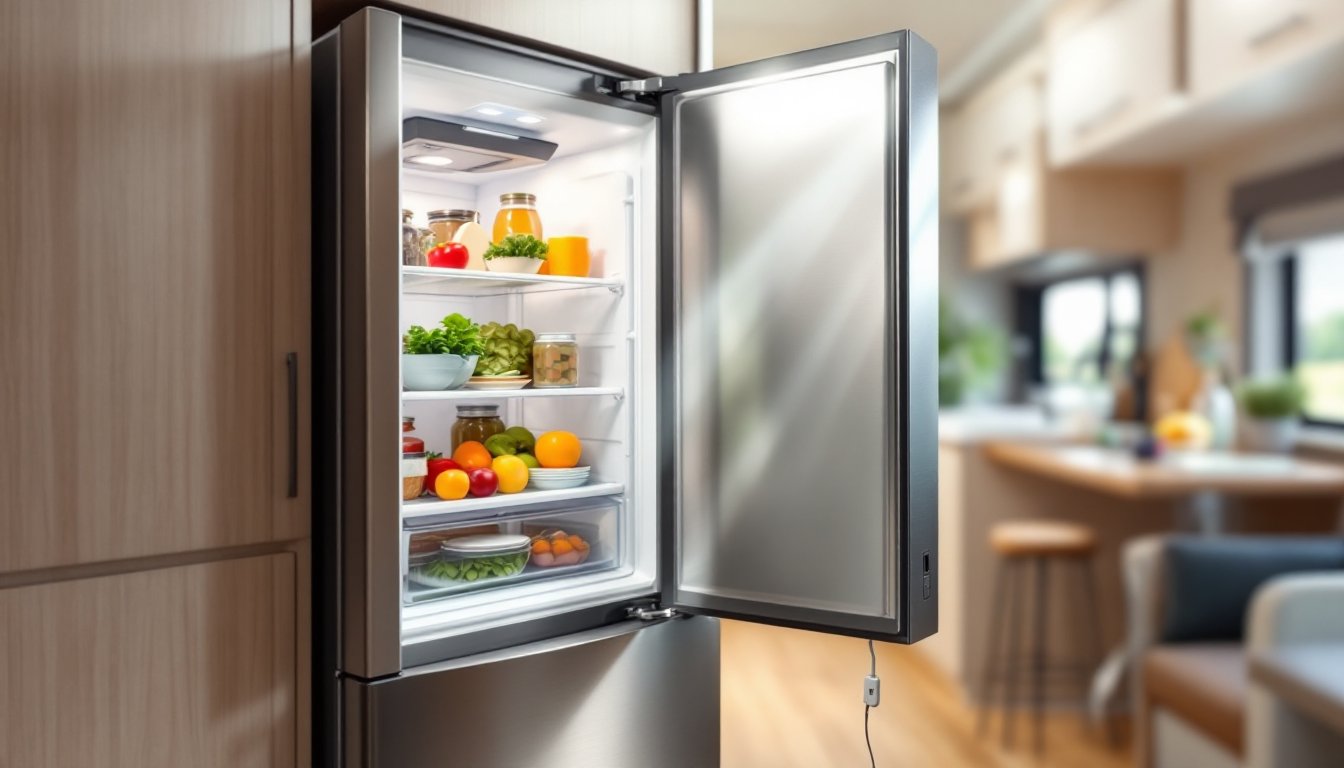
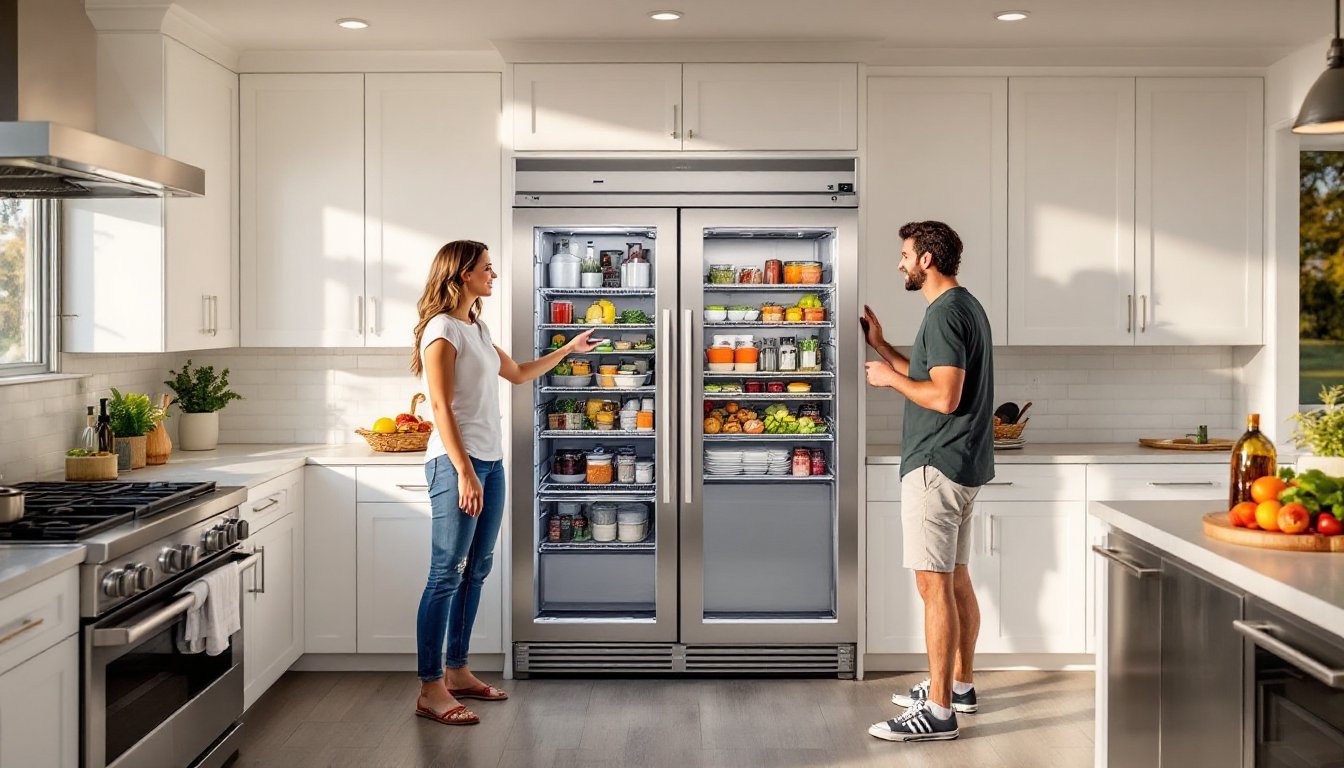
Whether you’re planning an off-grid cabin, a remote workshop, or just want to reduce your home’s energy footprint, a solar powered refrigerator offers real independence from the grid. Unlike traditional refrigerators that demand constant AC power, these units run directly from solar panels and battery systems, making them practical for homeowners who want to control their energy costs and environmental impact. They’re no longer niche equipment, 2026 models are more efficient, affordable, and reliable than ever. If you’re ready to explore what solar refrigeration can actually do for your home setup, here’s what you need to know before you buy and install one.
Table of Contents
ToggleKey Takeaways
- A solar powered refrigerator eliminates refrigeration from your monthly utility bill, saving $750–$1,500 over a typical 15-year lifespan, with payback typically achieved within 10–12 years.
- Solar refrigerators operate on 12V or 24V DC systems with significantly lower energy consumption (2–4 amps) compared to traditional AC refrigerators (600–1,200 watts), making them ideal for off-grid cabins and remote installations.
- Proper system sizing is critical—undersizing batteries is the most common mistake; a 12 cubic-foot solar fridge requires 200–400 amp-hour battery capacity for 48 hours of autonomy during cloudy weather.
- Geographic location and sunshine hours directly impact viability; regions with fewer than 4 peak sunlight hours daily will experience battery drain on consecutive cloudy days, so south-facing installations in southern US locations perform best.
- Federal tax credits covering 30% of system costs through 2032 make solar powered refrigerator installations more affordable, with total upfront costs ranging from $1,500–$4,000 for a complete system.
- A solar powered refrigerator prevents approximately 2–3 tons of CO₂ emissions over its lifetime and requires minimal maintenance—primarily monthly gasket checks and twice-yearly condenser coil cleaning—making it a sustainable, long-term investment.
How Solar Powered Refrigerators Work
Solar powered refrigerators operate on a straightforward principle: solar panels convert sunlight into DC (direct current) electricity, which powers a compressor that cools the unit’s interior. Most models use a 12V or 24V DC system, eliminating the need for an inverter to convert power to AC. Some units are hybrid, meaning they can also plug into standard AC power when solar output isn’t available.
The core difference from your kitchen fridge is the energy source and consumption rate. A standard refrigerator draws 600–1,200 watts when the compressor runs, cycling on and off to maintain temperature. Solar models are engineered to be far more efficient, typically consuming 2–4 amps at 12V (24–48 watts when running). They often use thicker insulation, magnetic door seals, and variable-speed compressors that adjust cooling intensity based on interior temperature.
Batteries store excess solar energy for night operation and cloudy days. Most setups use lithium-ion or lead-acid batteries paired with a charge controller, a device that regulates power flow and prevents overcharging. The whole system is designed for resilience: even with limited sunlight, a properly sized battery bank keeps food cold without interruption. Panels need a clear south-facing roof or ground space (in the Northern Hemisphere) with minimal shade year-round to perform consistently.
Benefits for Homeowners and DIY Enthusiasts
Energy Independence and Cost Savings
The biggest draw for homeowners is eliminating refrigeration from your monthly utility bill. If you run a 24-inch solar fridge year-round, the savings compound: a traditional fridge costs roughly $50–$100 annually in electricity (at average US rates), while a solar unit costs zero once the system is paid for. Over 15 years, the typical lifespan of a refrigerator, that’s $750 to $1,500 saved on just the cooling alone.
Installation costs upfront are real: expect $1,500–$4,000 for a complete system (panels, battery, fridge, wiring, and controller). But, federal tax credits and state incentives reduce this burden in many regions. Solar installations qualify for the Investment Tax Credit (ITC), which covers 30% of system costs through 2032. For a homeowner with an off-grid property or a vacation cabin, payback happens within 10–12 years, then you operate essentially for free. Even grid-connected homes benefit: reduced daytime load offsets higher summer cooling costs.
Environmental Impact and Sustainability
Running appliances on solar power eliminates fossil fuel consumption for that specific load. A solar fridge prevents roughly 2–3 tons of CO₂ emissions over its lifetime compared to a grid-powered unit powered by fossil fuel generation. For homeowners committed to sustainability, this is meaningful, especially on off-grid properties where traditional utility infrastructure isn’t even an option.
The sustainability angle extends beyond operation. Advanced construction techniques and energy-efficient building methods increasingly rely on distributed DC power systems, and solar refrigerators fit naturally into that ecosystem. They reduce strain on aging electrical infrastructure and free up capacity for other household needs. Materials matter too: reputable manufacturers use recyclable components, and lithium batteries are now widely accepted in recycling programs.
Key Factors to Consider Before Buying
Before you invest, size your system correctly. A 12 cubic-foot solar fridge draws about 2–3 amps continuously when cooling. That means you need enough battery capacity to run it for 12–24 hours without sunlight. If you want 48 hours of autonomy (for cloudy weather), you’ll need a 200–400 amp-hour battery bank. Undersizing batteries is the most common mistake: you end up unable to cool food reliably when clouds roll in.
Capacity and features matter. Solar fridges range from small 3.2 cubic-foot units (good for RVs and sheds) to 12–16 cubic-foot models that work as primary kitchen appliances. Look for adjustable shelving, separate freezer compartments, and reliable door gaskets. Temperature control should be adjustable: ideally 35–40°F for fresh food and 0°F for freezing. Some models include alarms that alert you if the door is left open or interior temps climb too high, worth the extra $50–$100.
Climate and location are non-negotiable. Solar fridge viability depends on your geographic location’s average daily sunshine hours. If you live in a region with fewer than 4 peak sunlight hours daily (much of the Pacific Northwest, New England winters), expect battery drain on multiple consecutive cloudy days. Conversely, southern and southwestern US locations see stable year-round output. Shade is a killer: even partial shade on panels reduces output by 15–50%, so site your installation where trees or buildings won’t block sun.
Draw power from your existing solar system if you have one. Adding a solar fridge to an existing 5-10 kW home array costs far less than building a standalone system. If you don’t have panels yet, a dedicated mini-grid for the kitchen (3–4 kW panels + 200 Ah battery) runs $2,500–$3,500 installed. Tested product reviews for home appliances and consumer ratings are valuable here, read real user experiences, not just manufacturer specs.
Installation and Maintenance Essentials
Installation isn’t a pure DIY job if electrical work is involved. Solar panel mounting, battery wiring, and charge controller setup require knowledge of DC circuits, proper grounding, and local electrical codes. The refrigerator itself connects easily, typically a simple plug into the battery system’s DC outlet, but the infrastructure demands attention. If you’ve never wired a solar system, hire a licensed installer for panels and batteries. This costs extra but protects your investment and ensures the system meets NEC (National Electrical Code) standards.
Placement of the fridge is critical. Site it in the coolest part of your building, away from direct sun and heat sources. Nominal clearance of 4–6 inches from walls and cabinet sides ensures air circulation around the compressor unit. Avoid placing it in a greenhouse or south-facing room: ambient heat forces the compressor to work harder, draining batteries faster. In an off-grid cabin, place it on a north-facing wall or in a shaded utility area.
Maintenance is minimal but consistent. Check door gaskets monthly, a torn seal kills efficiency quickly. Clean the condenser coils (usually on the back) twice yearly to remove dust and debris: a soft brush works fine. Monitor battery state of charge using a simple volt meter or dedicated display: most systems include one. If voltages drop below the minimum threshold (usually 10.5V for 12V systems), your charge controller disconnects the fridge to protect the battery. That’s your cue that weather is cloudy or usage is high, conserve or run a backup power source.
Batteries need the most oversight. Lithium batteries are maintenance-free and tolerate deep discharge, but they’re expensive ($3–$6 per watt-hour). Lead-acid batteries cost half as much but require monthly water checks (if flooded) or regular equalization. Whatever you choose, keep the battery area cool and ventilated: batteries generate heat when charging, and hot batteries degrade faster. Check connections every 6 months for corrosion, especially in humid climates. A corroded terminal reduces efficiency and can overheat.
Off-grid cabins with solar-powered kitchens demonstrate practical long-term installations. Real-world examples show that systems sized with a safety margin (20–30% extra battery and panel capacity) tolerate weather variability and user habits better. Don’t cut corners on sizing: it’s the difference between reliable refrigeration and frustration.
Conclusion
Solar powered refrigerators are no longer experimental. They’re practical, affordable solutions for homeowners who want energy independence, lower operating costs, and a smaller environmental footprint. The upfront investment is real, but the long-term savings and resilience make sense, especially for off-grid properties, remote cabins, and homeowners already committed to renewable energy. Size your system correctly, maintain it honestly, and it’ll run cold for 15+ years without a utility bill. That’s a win for your wallet and the planet.