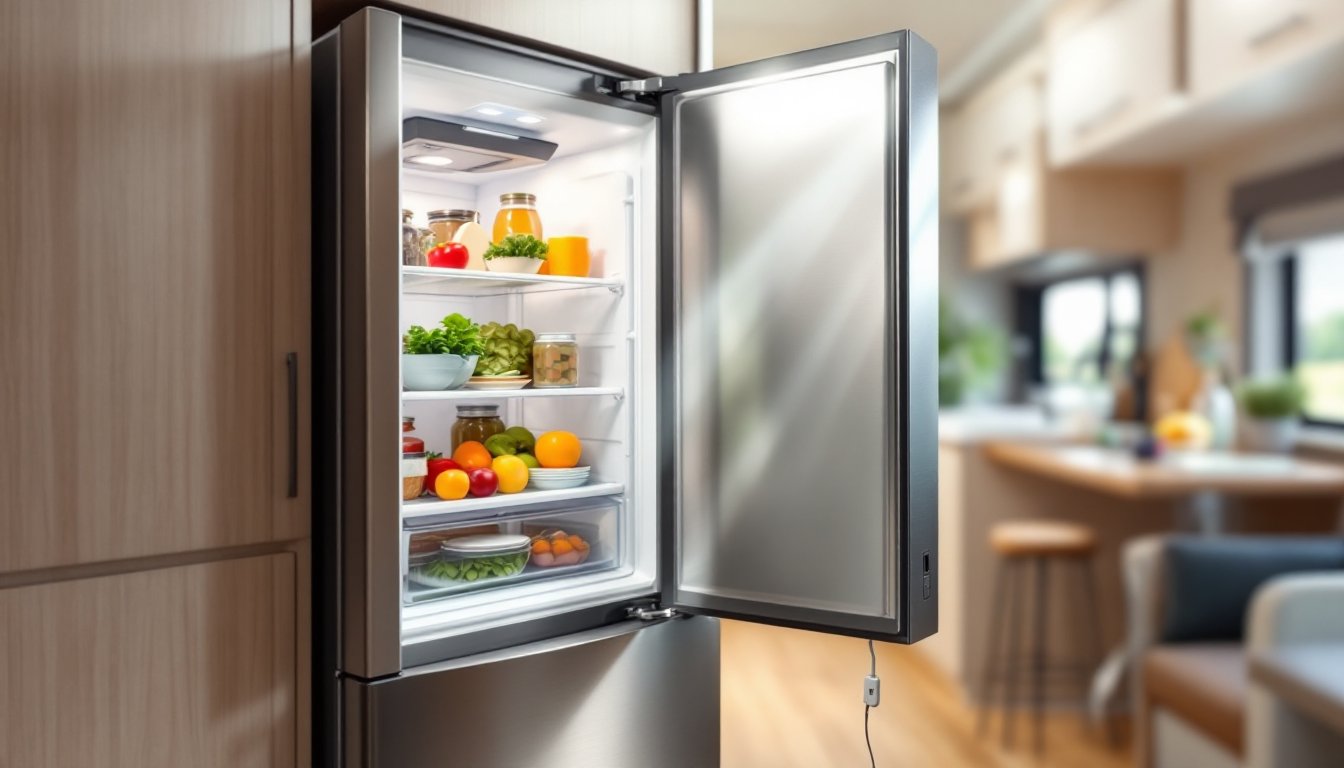
A used commercial refrigerator in your home kitchen can deliver restaurant-grade cooling and durability at a fraction of new-unit prices. Whether you’re renovating a chef’s kitchen, outfitting a larger household, or simply want equipment built to last, a used commercial refrigerator offers serious appeal. These workhorses keep food cold reliably for years, and buying used means you avoid the premium markup of new commercial units. Before you commit, though, you’ll need to know what to look for, where to find quality stock, and how to set one up so it performs, and fits, in your home.
Table of Contents
ToggleKey Takeaways
- A used commercial refrigerator costs $500–$2,500 compared to $2,000–$6,000+ for new units, making it an affordable option for homeowners who need high-capacity cooling and durability.
- When buying used, inspect the compressor for rust and leaks, test door gaskets for proper sealing, and verify the thermostat holds temperature—these checks prevent costly repairs and energy waste.
- A used commercial refrigerator requires dedicated electrical circuits (15–20 amps), adequate ventilation space (2–4 inches clearance), and proper floor reinforcement to prevent compressor overheating and premature failure.
- Find quality units at restaurant liquidation sales, local restaurant supply dealers, and online marketplaces like Craigslist or Facebook Marketplace, where you can inspect the equipment in person before purchasing.
- Regular maintenance—including quarterly gasket inspections, monthly coil cleaning, and annual professional servicing—extends your commercial refrigerator’s lifespan and prevents expensive compressor replacements.
Why Consider a Used Commercial Refrigerator for Your Home
Commercial refrigerators are engineered for high-volume, heavy-duty use. They run 24/7 in restaurants and kitchens without breaking a sweat, which means the engineering is rock-solid. When you buy used, you’re getting a machine designed to outlast residential models by decades, provided it’s been maintained.
A used commercial refrigerator costs significantly less than a new one. New commercial units run $2,000–$6,000+: used models drop that to $500–$2,500 depending on size, condition, and age. For homeowners who cook frequently, entertain large groups, or run a home catering or meal-prep business, that durability and capacity justify the investment.
These units also offer superior cooling consistency. Commercial compressors and larger evaporator coils maintain stable temperatures across the entire box, preventing the temperature swings you might see in residential refrigerators. Plus, the design is straightforward, fewer smart features mean fewer things to break.
Key Features to Look For When Buying Used
Capacity and Layout Options
Commercial units come in several standard widths: 27″, 36″, 48″, and 60″, quite different from the typical 30″ or 36″ residential refrigerator. A 48″ or 60″ unit requires dedicated counter or floor space: measure your kitchen opening before shopping. Interior layout varies too: some models offer adjustable wire shelving, while others have solid shelves or specialized compartments for prep ingredients.
Capacity ranges from 8 to 20+ cubic feet. A typical 48″ two-door reach-in holds about 12–15 cubic feet: a 60″ model reaches 18–20+. If you’re replacing a standard home refrigerator, a 36″ or smaller 48″ unit may feel more natural in your space.
Condition and Wear Signs to Inspect
When evaluating a used commercial refrigerator, do a thorough walk-around before committing. Check the compressor (located underneath or behind the unit) for rust, oil leaks, or visible corrosion. A working compressor should cycle quietly: listen for loud buzzing or grinding, which signal trouble. Open doors and listen for the cooling fan: it should hum smoothly, not rattle.
Inspect the door gaskets, the rubber seals around the doors. They should be pliable and make firm contact all the way around. A torn, hardened, or gappy gasket means cold air escapes and your energy bill climbs. Replacement gaskets are available, but factor in the $100–$300 cost. Look inside for rust, dents, or staining on walls and shelves. Minor cosmetic wear is normal: deep rust on the interior walls or floor suggests age and corrosion risk. Test the thermostat by setting it to a known temperature and using a separate thermometer inside the box to verify it holds that setting after 30 minutes.
Where to Find Quality Used Commercial Refrigerators
Restaurant supply auctions and online marketplaces are your primary hunting grounds. Sites like Craigslist, Facebook Marketplace, and eBay frequently list used commercial refrigerators from restaurants, catering companies, and resellers. Always meet in person, inspect the unit thoroughly, and ask for maintenance history if available.
Local restaurant supply shops and used-equipment dealers often have inventory they’ve refurbished or serviced. They’re more trustworthy than private sellers, though prices reflect that. HomeAdvisor connects homeowners with local contractors and specialists who can advise on installation logistics and help evaluate used units if you’re unsure.
Restaurant liquidation and closure sales are goldmines. When a restaurant closes or renovates, commercial equipment goes fast and cheap. Sign up for local auction alerts or follow liquidation companies in your area. Word of caution: if a unit has seen heavy, multi-shift use for years, it may be near the end of its serviceable life, so inspect hard and get it working before committing money.
Installation, Space Planning, and Setup Considerations
Space planning is critical. Commercial refrigerators need airflow around the compressor (usually 2–4 inches clearance on the back and sides) and adequate ventilation. If you’re placing one in an enclosed kitchen corner, you risk overheating the compressor and shortening its life. Measure your doorways, hallways, and kitchen entry points, a 60″ unit is wide and heavy (300–600 lbs), and delivery or maneuvering it through a narrow passage can be a nightmare.
Electrical requirements deserve attention. Commercial units draw higher amperage than residential fridges, typically 15–20 amps on a dedicated circuit. Older kitchens may not have a suitable outlet nearby: running a new circuit requires a licensed electrician and possible permit work. Budget $300–$800 for electrical upgrades if needed. Plug the unit in and let it sit upright for 6–8 hours before powering it on: transporting it may have moved oils in the compressor, and running it immediately can cause damage.
Floor strength matters for heavier units. A 500+ lb refrigerator loaded with food exerts significant point load. If your kitchen floor is old, uneven, or over a crawl space, ensure it’s reinforced, a sagging floor can stress the unit’s legs and frame. For installations on upper floors or over basements, consult a structural consideration or contractor. Weight distribution also affects door swing: test the doors fully open to ensure they don’t hit cabinets, walls, or appliances nearby.
Ventilation is your ally. Ensure the unit sits in a well-ventilated space, kitchens with good air circulation keep the compressor cool. Basements or cramped pantries can trap heat around the unit, forcing it to work harder and age faster.
Maintenance Tips to Extend the Lifespan of Your Unit
Regular cleaning keeps your used commercial refrigerator running efficiently. Vacuum or brush the compressor fins and condenser coils (located on the back or underneath) every 3–6 months. Dust and debris clog airflow, causing the compressor to overheat and work harder. A soft brush or shop vacuum works well: don’t use high-pressure spray, which can bend fins.
Clean door gaskets monthly with warm soapy water to prevent mold and mildew. Inspect them quarterly for cracks or hardening: if they’re failing, replace them promptly, a leaky gasket forces the compressor into constant catch-up mode, raising your electric bill and reducing the unit’s lifespan.
Monitor temperatures weekly with a separate thermometer. If the unit drifts more than 2–3°F from your setpoint, the thermostat may be failing or the compressor losing efficiency. Early detection prevents food spoilage and allows time to arrange service. Resources like The Kitchn offer kitchen appliance care tips and troubleshooting advice for maintaining performance.
Keep the area around the unit clear and accessible. Don’t store boxes, supplies, or other equipment flush against it, the compressor needs breathing room. Once yearly, have a commercial refrigeration technician inspect the unit, check refrigerant levels, and service the compressor. Preventive maintenance ($150–$300/year) is far cheaper than a compressor replacement ($1,000+). Good Housekeeping recommends professional for extending equipment life.