A convertible freezer/refrigerator is one of those smart appliance investments that pays dividends in kitchen flexibility. Whether you’re prepping for a big family gathering, running a small catering side hustle, or simply tired of choosing between frozen goods and fresh storage, these units adapt to your needs. Unlike traditional freezers locked into one role, a convertible model lets you switch between freezer and refrigerator settings, or split the space between both. This guide walks you through what makes these appliances tick, the real benefits they bring to a home, and how to pick the right one for your kitchen layout and lifestyle.
Table of Contents
ToggleKey Takeaways
- A convertible freezer/refrigerator adapts between full-freezer, full-refrigerator, or split-capacity modes, eliminating the need to buy two separate appliances and saving both money and floor space.
- Modern convertible freezer/refrigerator units with dual-compressor designs and precise temperature controls (0°F for freezing, 38–42°F for chilling) outperform cheaper single-dial models and prevent food spoilage.
- Choose an upright convertible model based on your actual storage needs—track your monthly freezing and cooling habits to determine the right capacity (10–18 cubic feet) and temperature split ratio.
- ENERGY STAR certified convertible models consume 600–800 kWh annually, significantly reducing long-term power costs compared to older units that may exceed 1000 kWh per year.
- Proper placement in a cool basement corner with 2–3 inches of clearance on all sides, combined with regular condenser coil cleaning every 2–3 months, maximizes efficiency and appliance lifespan.
What Is a Convertible Freezer/Refrigerator?
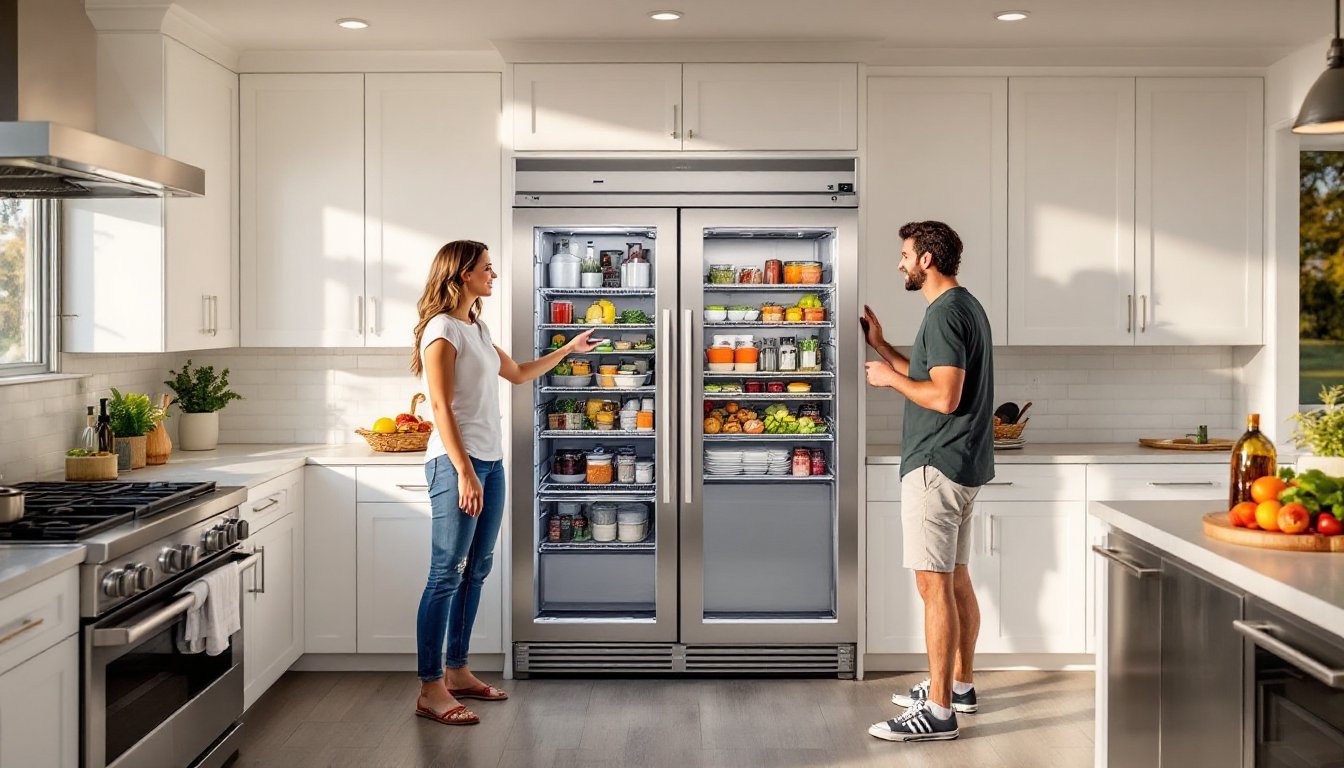
A convertible freezer/refrigerator is a single upright or chest unit that shifts between full-freezer, full-refrigerator, or split-capacity modes. Most models use independent temperature controls and dampers to regulate airflow, letting you dial in exactly what you need. Some units offer a true 50/50 split, while others allow a 70/30 or 80/20 ratio depending on the model.
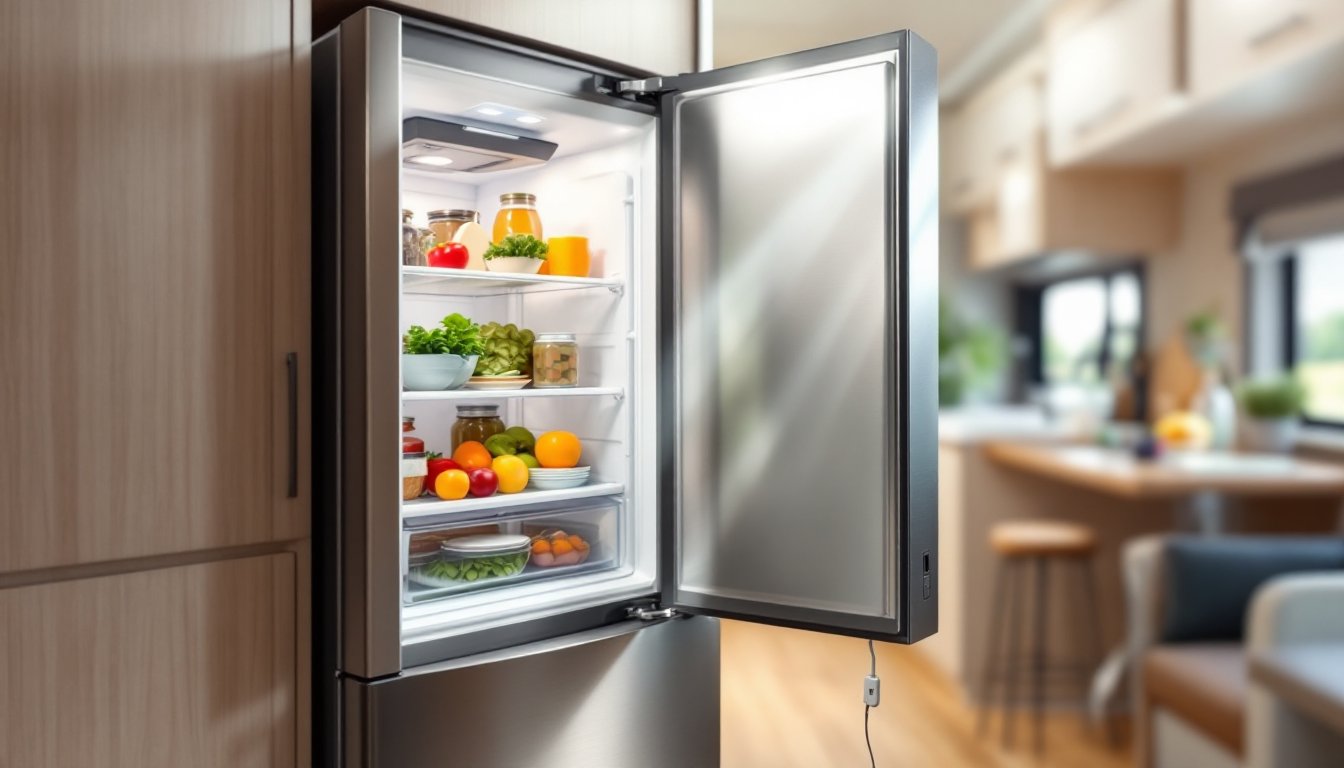
These aren’t your standard combo units found in RVs or dorm rooms. Modern convertible freezers come with proper sealing, efficient compressors, and precise thermostats designed for reliable year-round use. The upright style is most common in homes because it takes up less floor space than a chest freezer, though chest convertibles do exist and often cost less per cubic foot.
The appeal is straightforward: life changes, and your storage needs change with it. When Thanksgiving rolls around, you might run all freezer. Come January when fresh produce fills your farmer’s market hauls, you flip it to refrigerator mode or run a balanced split.
Key Benefits for Homeowners
The primary advantage of a convertible freezer/refrigerator is versatility without buying two appliances. You save money upfront, save floor space (especially important in tight kitchens or basements), and adapt to seasonal or life-stage storage demands. Young families often max out the freezer capacity: empty-nesters might flip to mostly refrigerator mode for fresh goods.
These units also shine for anyone running a home-based food business, meal-prepping for the week, or managing a garden’s harvest. Instead of investing in separate chest freezers and mini-fridges scattered around the house, one unit handles multiple roles. Energy-wise, modern convertible models match or beat traditional freezers in efficiency ratings, so you’re not trading performance for flexibility.
Another quiet win: backup during power situations. If your main kitchen fridge struggles or needs repair, a convertible set to refrigerator mode can bridge the gap for a few days without running to a neighbor’s house. It’s also useful if you’re testing whether you actually need that extra freezer capacity before committing to permanent basement real estate.
Important Features to Compare
Temperature Control and Flexibility
The heart of any convertible unit is its thermostat and damper system. Look for models offering precise temperature ranges: freezer settings should hit 0°F or lower, while refrigerator modes should stabilize around 38–42°F. Cheap units with a single dial are less reliable: mid-range and premium models use separate controls per section or digital displays with +/- adjustment buttons.
Some units also offer a “vacation mode” or “power-saver” setting, which is handy if you close up a cabin or cottage seasonally. Read reviews carefully here, erratic temperature swings (jumping 10+ degrees) mean food spoilage and wasted money. Independent dual-compressor designs outperform single-compressor units because each zone maintains its own temperature without fighting for cooling capacity.
Size, Capacity, and Energy Efficiency
Capacity is measured in cubic feet. A typical upright convertible ranges from 10 to 18 cubic feet: chest models often go larger. Consider your actual needs: a family of four with modest freezing habits might thrive on 14 cubic feet, while a gardener or bulk-meat buyer could need 18+.
Energy efficiency is stamped on a yellow EnergyGuide label and measured in annual kWh consumption. A mid-size upright convertible typically runs 600–800 kWh per year, while older or oversized models might hit 1000+. Over a decade, that difference adds up in power bills. Look for ENERGY STAR certification, which signals tighter insulation and better compressor efficiency. Price varies by size, build quality, and features: expect $800–$2000 for a reliable mid-range upright model. Our experts have tested top freezers across various price points and capacities, so you can see real performance data before committing to your purchase.
How to Choose the Right Model for Your Home
Start by measuring your space. An upright freezer typically needs 30–36 inches wide, 24–30 inches deep, and 63–70 inches tall. Leave at least 2–3 inches of clearance on all sides for proper air circulation: cramming it into a tight corner strangles airflow and reduces efficiency. Basement corners with concrete walls are ideal because they stay cooler naturally, though garages work fine too in most climates.
Next, assess your actual storage pattern. Track what you freeze or chill over a month. Do you buy meat in bulk, grow vegetables, or entertain large groups seasonally? Or do you mostly need backup fridge space? This shapes whether you’ll run 60/40 freezer/fridge, 50/50, or flip modes every few months.
Third, check noise levels. Compressors cycle on and off throughout the day: some units are whisper-quiet (under 45 decibels), others rumble like a window unit AC. If the freezer sits near a bedroom or living space, noise matters. Read user reviews specifically for this, decibel ratings in spec sheets are often optimistic.
Brand reliability also counts. Established refrigeration makers (Frigidaire, Whirlpool, GE) back their freezers with decent warranties (typically 1–5 years on parts). Lesser-known brands might save $200 upfront but cost $400+ in repair calls down the line. Finally, confirm the model offers both freezer and refrigerator modes with independent controls, don’t settle for a unit that merely adjusts one temperature slider. Kitchen design resources like Remodelisa often feature appliance selections that balance form and function, so checking their home product guides can spark inspiration for how a convertible unit fits your kitchen flow.
Installation Tips and Maintenance
Installation is straightforward for upright models: unbox, let it sit 4–6 hours before plugging in (this allows refrigerant to settle), then slide it into place and plug it in. Do not tip the unit during transport or installation, tilting the compressor can damage internal components. If you’re moving one down a basement staircase, recruit help and use a dolly or appliance dolly strap to avoid dropping it.
Location matters. Keep it away from direct sunlight and heat sources (furnace, water heater, south-facing windows). Cooler rooms increase efficiency. Ensure the outlet has a ground pin and no extension cord, these appliances draw consistent power, and cords create fire hazards. If you’re running it in an unheated garage during winter, some models require a “cold-room kit” (basically an insulated thermostat) to prevent it from shutting down when outdoor temps dip below 50°F.
Maintenance is minimal. Vacuum the condenser coils (usually on the back or bottom) every 2–3 months, dust buildup reduces cooling efficiency. Defrost manually if ice builds up inside (most modern units do this automatically, but older ones don’t). Wipe down seals if they pick up debris. If temperature swings occur, check that door seals are tight and condenser coils aren’t clogged. The Kitchn offers practical kitchen appliance reviews and maintenance tips that can help you troubleshoot common issues and keep your convertible freezer running smoothly for years.